



Before you can coach or lead a system, you must first be aware of the system itself and your relationship to it. This ability, which we call Relationship Systems Intelligence (RSI™), underpins all that we do at CRR Global.
RSI is the result of years of research and exploration by CRR Global co-founders Marita Fridjhon and Faith Fuller. In the same way that Emotional Intelligence helps people understand and influence their feelings, and Social Intelligence helps to connect with others, RSI allows us to interact with systems as a whole.
To thrive in the midst of rapid change, evolving technology and global influences, we need to draw on the strengths of everyone in a system. Leaders are in search of innovative ways to engage and motivate their teams. Organizations need strong relationship skills, including systems thinking and creative collaboration. Differences between team members and the ability to innovate are assets that help teams to stay competitive.
In developing this form of intelligence, we become aware, accountable and intentional in our relationship with systems.
What is a relationship system?
Imagine a relationship system as a network of connection, a dynamic intelligence that we call the Third Entity™. It has its own wisdom and knowledge, which we can tap into when coaching a system.

Relationship Systems Intelligence (RSI™) is an awareness of and ability to work with this network of relationship as a living system.
Insights into using RSI
1 – As a systems inspired worker, you are both inside and outside of the system.
Your experience is both personal and belongs to the system. You are part of the system and observing it at the same time. RSI cultivates the ability to step back and take a bird’s-eye view.
2 – RSI involves seeing, hearing and sensing the system.
If you’ve ever walked into a room and been instantly aware that the people in it just had a fight, you have already tapped into this aspect of RSI! We use many channels to communicate with each other. Even when the conversation is polite, at a gut level we have a different sense of what is going on. As we develop Relationship Systems Intelligence, we become consciously aware of these channels and the information they provide.
3 – Your experience, and that of others, are expressions of the larger system.
Systems inspired coaches and leaders are not threatened by different points of view. Instead we value various voices. While we do not have to act what every voice says, hearing them provides information about what’s happening and what a system wants to do.
RSI focuses on understanding the complex dynamics, communication styles, and conflicts within a group. The information we receive helps the system to move forward with intention.

4 – Systems are interconnected.
Not only do systems overlap, multiple systems can exist within a large system. Think of management, accounting and sales departments within a company. A global organization might have those same departments nested within systems for individual countries. While it is not possible to coach the entire system, working with these smaller systems provides information and will influence the larger whole.
5 – The role of a systems inspired coach is not to direct, but to reveal the system to itself.
Once made aware of what is happening, systems are intelligent, creative and often know what needs to happen next. As coaches, we influence rather than manage. Although you will collaborate with systems to establish a coaching agenda, the system will ultimately lead the way.
In a Relationship Matters podcast, Marita Fridjhon emphasized that as a coach, you may not be able to work with every system.
Principles of RSI
After more than 20 years of working with teams and systems, we know that five principles predict how every system will behave. We call them principles because they are like laws of nature, and hold true for every system.
- Each relationship system has its own unique identity or personality. Sports teams, musical groups and bands are vivid examples.
- Every member of the relationship system (team or partnership) is a voice of the system. Systems inspired coaching uses tools to hear all voices and opinions, inviting the most extensive creativity in developing strategies.
- Relationship systems are naturally intelligent, generative and creative. When what is trying to happen seems disruptive, ask the question – what is trying to emerge? What is this system trying to reveal? Lift the gaze to the larger whole.
- Relationship systems rely on roles to organize and carry out functions. All roles – including leadership – belong to the system, not to individuals within the system. Empower team members to share the load and lean into the system for solutions, rather than feeling pressured to have all of the answers.
- Relationship systems are in a constant state of emergence. Change is constant, so create from it rather than reacting to it.
As coaches, we choose tools and skills to work with a particular issue. The principles will always hold sway over the way that the system responds.
Faith Fuller gives this comparison: working with the five principles in systems coaching is similar to being aware of the whole species while studying individual lions.
RSI incorporates ideas from multiple thought leaders, and is an extension of Daniel Goleman’s ideas of emotional and social intelligence. In his 2006 book on social intelligence, Goleman suggests that we are “designed for sociability, constantly engaged in a ‘neural ballet’ that connects us brain to brain with those around us. Our reactions to others, and theirs to us, have a far-reaching biological impact, sending out cascades of hormones that regulate everything from our hearts to our immune systems, making good relationships act like vitamins–and bad relationships like poisons.”
Our white paper on RSI explains more about the development and thought leadership behind the model.
Working intentionally with systems of every size
Relationship Systems Intelligence recognizes the dynamic and intelligent nature of systems. Many students of our signature ORSC program say that these concepts feel instantly recognizable. Systems inspired coaching is an elegant framework with over 45 tools and skills that foster collaboration, adaptability, and collective problem-solving. The skillset is neutral and expands to fit systems of any size – teams and large organizations, couples or partnerships, and even the system within yourself.
Want to tap into the collective wisdom of a system?
The research behind RSI
Guests
Faith Fuller ORSCC, CPCC, ICF-PCC
Faith co-founded CRR Global and co-created Organization and Relationship Systems Coaching (ORSC™). She is a psychologist and experienced trainer and coach, with decades of experience in working with organizations, couples and communities. Faith is also the author of Relationship Matters: A New Paradigm for an Evolutionary Leap in Relationship.

Marita Fridjhon ORSCC, ESIA, ICF-PCC
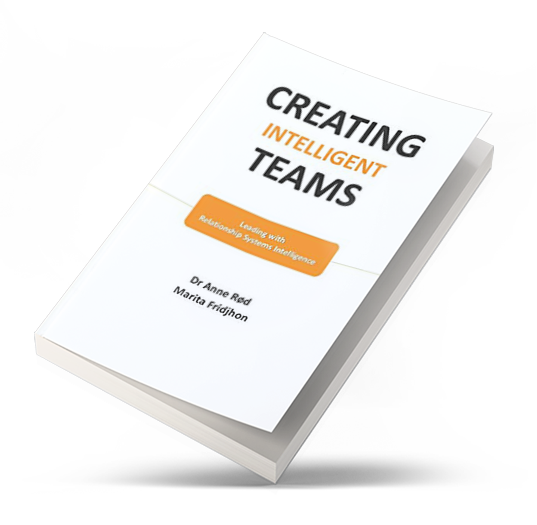
Marita Fridjhon is co-founder of CRR Global, co-creator of the world-recognized Organization and Relationship Systems Coaching (ORSC™) program and mentor to an ever-growing community of relationship systems practitioners. Her deeply integrative approach is drawn from her foundations in clinical social work, family systems therapy and organizational consulting. Marita is co-author of “Systems Inspired Leadership” and “Creating Intelligent Teams.“